

THE THEORY OF HUMAN PARTICIPATION
Human-Powered. Care-Driven.
By Jeanette Bronée, Culture Strategist and creator of Power-Pausing™ and CARE OS®
Introduction
AI is changing how we work, but not why we work. What still matters most is human: the relationships we build, the trust we earn, the care we bring to how we work together, and the wisdom we use to decide what matters. Work is a living ecosystem of relationships, and it begins with the one we have with ourselves.
For thirty years, one defining question has shaped this work: what makes people do their best work, care about what they build, and trust the people they build it with? The answer is the Theory of Human Participation: the framework that brings this work together. It explores how human capacity emerges when conditions support us, when situations are inclusive, and when human intelligence leads.
Together, communities and companies are built, one human-powered, care-driven action at a time, because AI alone cannot shape a sustainable future. It must be shaped by the quality of our human participation.
Everything Is a Relationship
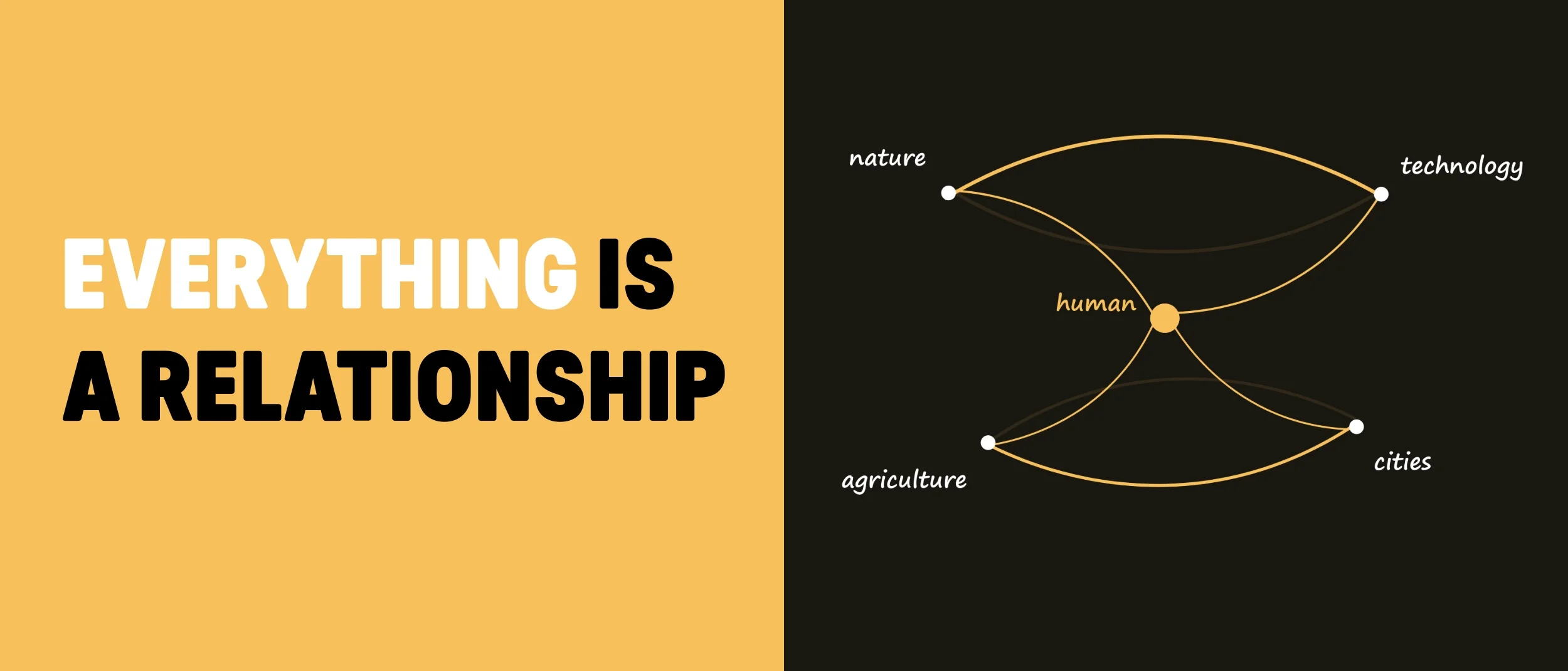
Everything is a relationship. We are never separate; we are always interconnected through cause and effect in ways we do not always see or trace. How we relate to ourselves, to each other, to our work, and to the world we are building is not one factor among many. It is the system.
We are a living system. Culture is a living system. Organizations are a living system. But modern life has disconnected us from this truth, and we find ourselves lonely and isolated when we lose sight of how interconnected we are. We stop participating. We stop caring because worrying has burned us out, and we cannot keep carrying the challenges alone. We might show up simply complying, doing what we have always done, doing what we are told to do, and keeping up with the pace just to stay safe, but we have stopped asking why it matters because we no longer feel that it does.
That is the crisis we are facing. The Theory of Human Participation is the possibility that we can choose differently and reclaim the sense that we belong to something larger, that we matter in the greater context of a world built on relationships.
How Speed Replaced Trust
For generations, work has been designed around a different assumption: that speed creates value. So we learned to move faster, produce more, compete harder, and optimize everything. Along the way, we started outsourcing the very capacities that make us human: our attention, our discernment, our creativity, our judgment, our sense of self, and with that, our trust in ourselves and each other.
What we lost is not just time. It is our relationships, and our ability to think together.
When people do not know what to care about, what is expected, what they are being measured on, or how their contribution connects to something meaningful, they do not participate fully. Under stress, they protect. They narrow their attention. They defend what feels threatened. That is not because people are broken. It is because the conditions are asking for survival over strategy.
This is why care must become an operating principle, and trust must become infrastructure. Without them, people will not engage their intelligence. They will default to fear, compliance, and reactive decision-making.
What AI Revealed
Technology and AI did not create this shift. They revealed it.
The system we inherited is an ego-system: built on competition, control, and the fear of not being enough, with each of us defending our position instead of contributing our intelligence. It is how being human became a problem to manage. But work was never meant to be an ego-system. It is an ecosystem: a living web of relationships where trust, not fear, drives momentum, and where what we each carry becomes what we can build together.
Moving from ego to eco is not a softening of business. It is the redesign that wakes up the intelligence the old system suppressed. The most underutilized intelligence in our organizations was never artificial. It is human, and it has been underestimated, overridden, and waiting.
Human in the Lead
The real question today is no longer what AI can do, or how fast we can adapt and implement it. The real question is how we design the conditions for human-AI collaboration, and what must always remain deeply human: not just human in the loop, but human in the lead.[1]
Our greatest contribution has never been how quickly we produce answers. It is how we pause, ask better questions, listen, discern, and discover what matters so we can act wisely. That is conscious human participation.
Urgency may drive change, but meaningful innovation does not come from panic. It comes from caring about what we are building and who it is for. It comes from pausing long enough to ask why it matters, and from weighing the cause and effect we can expect — what it will cost us and what it will give us.
The Theory of Human Participation
The Theory of Human Participation is the wholeness of this work coming together. It is the framework that connects Power-Pausing™, CARE OS®, and The Wisdom Reset through one central idea: the quality of our participation — how we think, how we engage, and how we act — determines whether human intelligence can emerge in an AI culture.
It begins with a simple recognition: people choose based on what they care about and what matters. But under pressure, people often stop choosing and start protecting. Care gives choice direction. It helps us remember what matters when stress, habit, or fear would otherwise take us somewhere else.
This theory suggests that people can choose differently when the conditions support them in doing so. It is built on the belief that change and growth are natural processes, not disruptions to manage. And it offers a different path forward: not pushing harder through pressure, but designing the conditions where trust, discernment, curiosity, and wise action can emerge.
Human in the lead means we are the ones shaping change with the decisions we make, not just keeping up and surviving it. It means moving from ego to eco, from self-protection to contribution, and from compliance to conscious participation.
Practicing the Theory
Power-Pausing™ is applied human participation at the moment of choice. It is how we choose on purpose instead of letting stress, habit, or technology choose for us. In an AI-accelerated world, it creates the space to think, ask, and discern before we react. It is the choice point in the moment before we answer, where we decide whether to repeat old patterns or design a different outcome.
Under pressure, that space disappears. We rush to respond instead of pausing to listen. To care with intention is to pause, notice, and ask better questions — bringing unconscious stress patterns, thoughts, and feelings into conscious awareness so new choices become possible.
CARE OS® is the architecture of human participation — the operating principle that turns what people care about into how they show up, decide, and build trust together. Through Coherence, Agency, Relational Capacity, and Ethos, it gives leaders and teams a shared language and practice for designing those conditions on purpose, not by accident.
Together, Power-Pausing™ and CARE OS® create the inner and outer conditions for curiosity, discernment, creativity, trust, and wise action to emerge — the very capacities pressure so often obscures.
The Culture This Creates
When care becomes the operating principle, trust becomes the infrastructure for critical problem-solving, innovation, and the momentum that drives meaningful, measurable change together.
People think more clearly, listen more deeply, and make wiser decisions together. Innovation becomes more meaningful, relationships become stronger, and culture becomes an ecosystem rather than a hierarchy — a place where people do not simply perform; they contribute their humanity.
Working Together
You are not the problem, and your people are not broken. The operating system is simply misaligned, and it can be redesigned.[1]
For leaders ready to do that work at the level of the whole organization, that is the focus of the advisory partnership, keynote experiences, and leadership development work built around Power-Pausing™ and CARE OS®.
Being human is not a problem to solve. We are the advantage.
Jeanette Bronée is a Culture Strategist and global keynote speaker on human intelligence in an AI culture, and the creator of Power-Pausing™ and CARE OS®.